Support to Graduates of Marie Izmirlian Orphanage

Completed
Support to Graduates of Marie Izmirlian Orphanage

Summary

The project aimed to support graduates of the Marie Izmirlian Orphanage in their transition to independent and sustainable living and to facilitate family reunification where possible. It sought to improve their living standards and economic opportunities through transitional housing, care, capacity development and professional orientation, while strengthening their knowledge, practical skills and work experience. The project also aimed to enhance graduates’ self-reliance and improve their family and home environments, creating more favourable conditions for their long-term social and economic integration.

Related stories

Related projects

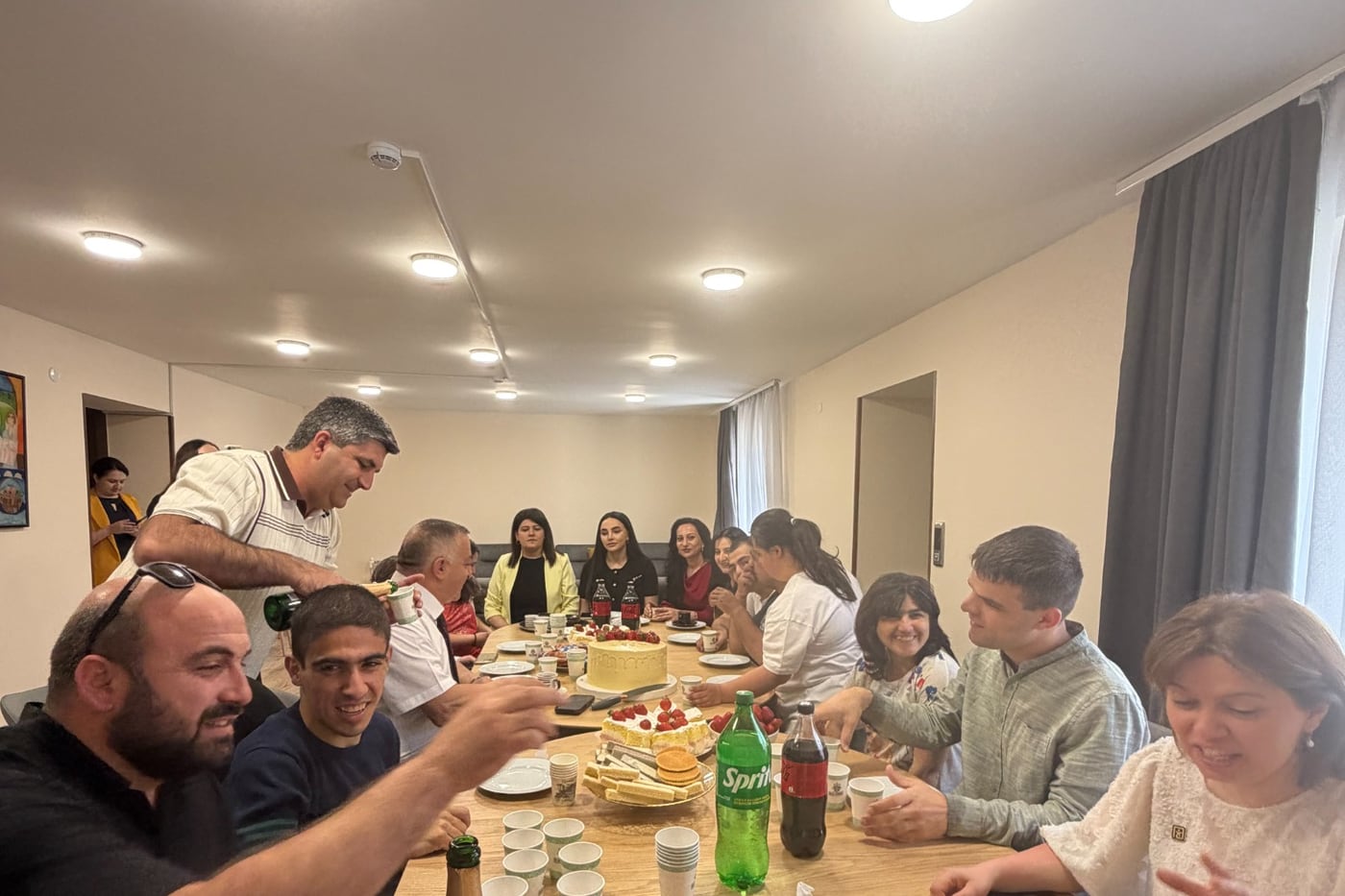
Residents and staff sharing a meal in the community small group home
Flagship
Social Inclusion and EmpowermentOngoing

Access to community small group homes and social care for graduates of population social protection institutions

Community Small Group Homes: Creating a Pathway from Institutional Care to Independent Living Supporting children and young people with disabilities has become one of the Izmirlian Foundation’s flagship areas of engagement, shaped by more than two decades of experience, emerging needs and persistent gaps in Armenia’s social care system.
“Guyqadaran” Special Equipment Library
Social Inclusion and EmpowermentOngoing

Guyqadaran – A Special Equipment Depository

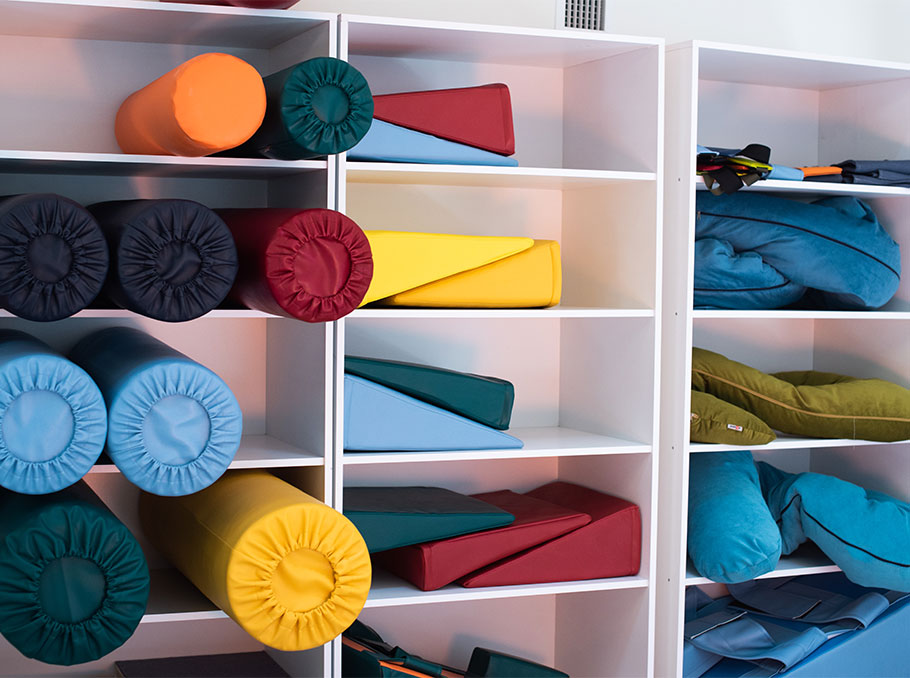
The “Guyqadaran” Special Equipment Library is a multi-phase initiative of the Izmirlian Foundation and Source Foundation designed to improve the quality of life of children with disabilities and their families by providing access to therapeutic equipment and positioning devices needed for continuous rehabilitation. The model responds to an important gap: while parents are often taught therapeutic techniques that can be continued at home, specialized equipment may be unavailable or unaffordable. The project introduced a shared equipment library model, allowing families to temporarily borrow therapeutic and positioning devices according to a child’s individual needs and return them when they are no longer required, so that the equipment can subsequently benefit another child.